

Heat resistant stickers have become a popular choice for various applications, from industrial machinery to household appliances. One common question that arises is whether these stickers can be used on stainless steel surfaces. As a heat resistant sticker supplier, I'm here to provide you with a comprehensive answer based on scientific knowledge and practical experience.
Understanding Stainless Steel
Stainless steel is a widely used metal alloy known for its corrosion resistance, durability, and aesthetic appeal. It contains chromium, which forms a passive oxide layer on the surface, protecting it from rust and other forms of corrosion. This unique property makes stainless steel suitable for a variety of environments, including kitchens, laboratories, and industrial settings.
However, the smooth and non - porous nature of stainless steel can pose challenges when it comes to adhering stickers. The surface energy of stainless steel is relatively low, which means that adhesives may not bond as effectively as they would on more porous materials. Additionally, stainless steel can expand and contract with temperature changes, which can put stress on the sticker and cause it to peel or lift over time.
Heat Resistant Sticker Materials
Heat resistant stickers are typically made from materials that can withstand high temperatures without losing their adhesive properties or degrading. Some common materials used in heat resistant stickers include polyimide, silicone, and ceramic.
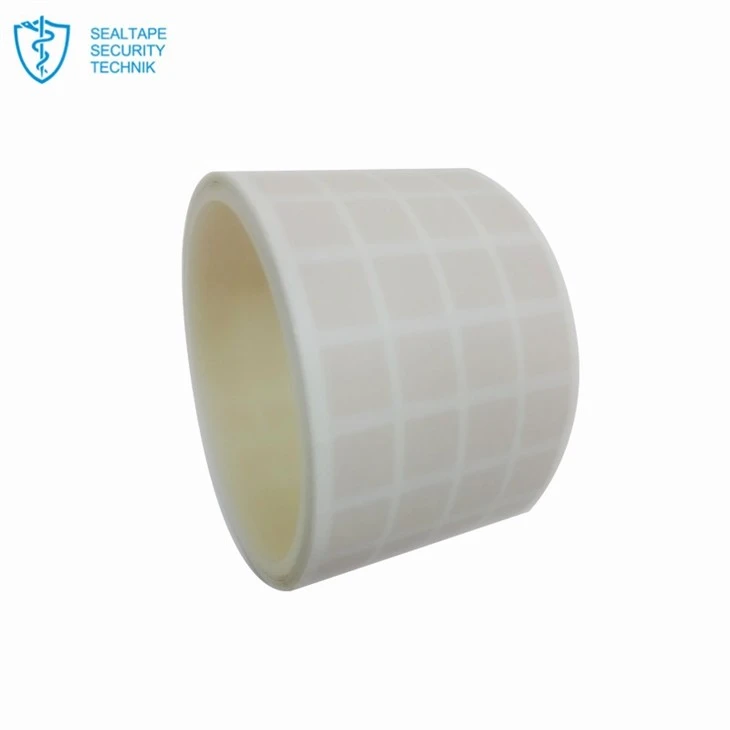
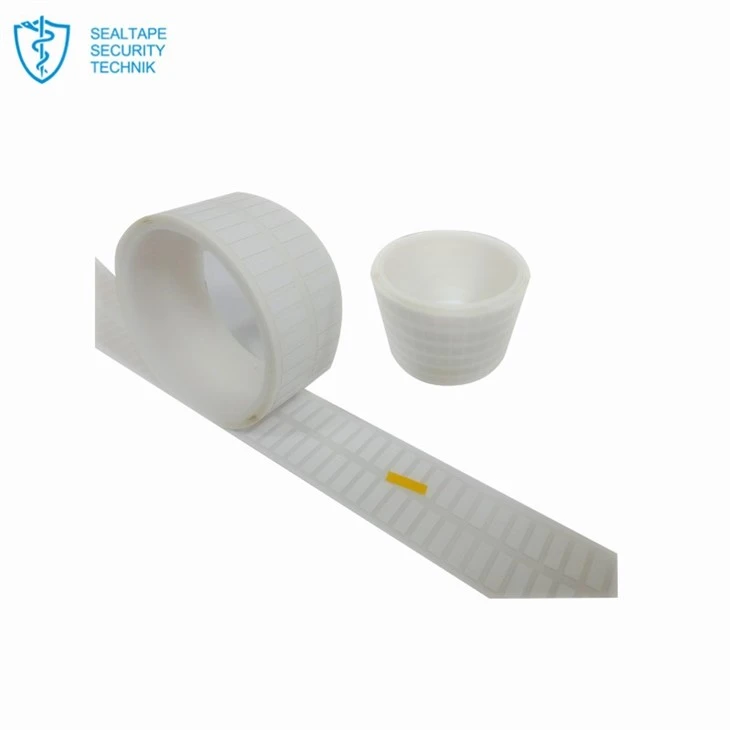
Vinyl Heat Resistant Polyimide Sticker Materials are known for their excellent thermal stability and chemical resistance. Polyimide has a high glass transition temperature, which means it can maintain its mechanical properties at elevated temperatures. This makes it an ideal choice for applications where the sticker will be exposed to heat, such as on engine parts, ovens, or industrial equipment.
Silicone - based stickers are also popular for their heat resistance and flexibility. Silicone can withstand a wide range of temperatures, from extremely cold to very hot, and it has good adhesion to many surfaces, including stainless steel. Ceramic stickers are another option, especially for applications that require very high - temperature resistance, such as in furnaces or aerospace components.
Adhesion to Stainless Steel
The key to using heat resistant stickers on stainless steel is to ensure proper adhesion. Here are some steps to follow:
Surface Preparation
Before applying the sticker, the stainless steel surface must be clean and free of any dirt, grease, or oil. Use a mild detergent and water to clean the surface, and then dry it thoroughly with a clean cloth. You can also use a solvent - based cleaner, such as isopropyl alcohol, to remove any stubborn contaminants. After cleaning, it's important to let the surface dry completely before applying the sticker.
Primer Application
In some cases, applying a primer to the stainless steel surface can improve the adhesion of the sticker. A primer helps to increase the surface energy of the stainless steel, allowing the adhesive on the sticker to bond more effectively. There are primers specifically designed for use with heat resistant stickers, and they should be applied according to the manufacturer's instructions.
Sticker Application
When applying the sticker, make sure to smooth out any air bubbles or wrinkles. Start from one end of the sticker and slowly press it onto the stainless steel surface, using a squeegee or a similar tool to apply even pressure. Work your way across the sticker, making sure it is firmly adhered to the surface. If possible, apply the sticker in a clean, dust - free environment to prevent any particles from getting trapped between the sticker and the stainless steel.
Temperature and Environmental Considerations
In addition to proper adhesion, it's important to consider the temperature and environmental conditions in which the sticker will be used. Heat resistant stickers are designed to withstand a certain range of temperatures, and exceeding this range can cause the sticker to fail.
For example, if the sticker is rated for a maximum temperature of 200°C, and it is exposed to temperatures above this level, the adhesive may break down, causing the sticker to peel off. Similarly, exposure to harsh chemicals, UV radiation, or extreme humidity can also affect the performance of the sticker.
It's also important to note that stainless steel expands and contracts with temperature changes. This can put stress on the sticker, especially if it is not flexible enough to accommodate these changes. When selecting a heat resistant sticker for stainless steel, choose a sticker that has some degree of flexibility to prevent cracking or peeling due to thermal expansion and contraction.
Applications of Heat Resistant Stickers on Stainless Steel
Heat resistant stickers can be used on stainless steel in a variety of applications. Here are some examples:
Industrial Equipment
In industrial settings, stainless steel is commonly used in machinery, pipelines, and equipment. Heat resistant stickers can be used to label parts, provide safety instructions, or indicate temperature limits. For example, a sticker on a stainless steel pipe can indicate the maximum operating temperature or the type of fluid flowing through the pipe.
Kitchen Appliances
Stainless steel is a popular material for kitchen appliances, such as ovens, stoves, and refrigerators. Heat resistant stickers can be used to decorate these appliances, provide usage instructions, or display branding. For example, a sticker on the front of an oven can show the different cooking modes or the recommended cleaning procedures.
Automotive Parts
Stainless steel is also used in automotive parts, such as exhaust systems and engine components. Heat resistant stickers can be used to identify parts, provide maintenance information, or add a decorative touch. For example, a sticker on a stainless steel exhaust pipe can indicate the type of exhaust system or the manufacturer's logo.
Other Related Products
In addition to heat resistant stickers, we also offer other related products that may be of interest. 3D Watermark Hologram Overlay Sticker can be used to add a security feature or a decorative element to stainless steel surfaces. These stickers are difficult to counterfeit and can provide an extra layer of protection for your products.
Personal Aroma Around The Bladeless Neck Fan is another innovative product that combines functionality with style. While not directly related to heat resistant stickers on stainless steel, it shows our commitment to providing high - quality and unique products to our customers.
Conclusion
In conclusion, heat resistant stickers can be used on stainless steel surfaces, but proper surface preparation, sticker selection, and application techniques are essential for ensuring long - lasting adhesion. By understanding the properties of stainless steel and heat resistant sticker materials, and by following the recommended steps, you can achieve a strong and durable bond between the sticker and the stainless steel.
If you are interested in purchasing heat resistant stickers for your stainless steel applications, or if you have any questions about our products, please feel free to contact us. We are a professional heat resistant sticker supplier, and we are committed to providing you with the best products and services. Our team of experts can help you select the right sticker for your specific needs and provide you with guidance on proper application.
References
- ASTM International. (2023). Standard Test Methods for Adhesion of Coatings to Substrates. ASTM D3359 - 23.
- Dow Corning. (2022). Silicone Adhesives and Sealants for High - Temperature Applications. Technical Bulletin.
- DuPont. (2021). Polyimide Films: Properties and Applications. Product Guide.