

Ensuring the adhesion of security caution tape in high - wind areas is a crucial concern for many industries, especially those involved in construction, event management, and safety compliance. As a trusted supplier of security caution tape, I understand the challenges faced by our customers in these demanding environments. In this blog post, I will share some effective strategies to ensure that your security caution tape stays firmly in place, even in high - wind conditions.
Understanding the Factors Affecting Adhesion
Before delving into the solutions, it's important to understand the factors that can compromise the adhesion of security caution tape in high - wind areas. Wind can exert significant force on the tape, causing it to lift or peel off. Additionally, environmental factors such as temperature, humidity, and surface conditions can also affect the tape's adhesive properties.
- Wind Force: High - speed winds can create a pressure differential on the tape, lifting the edges and reducing its contact with the surface. This is particularly true for large - surface - area tapes or tapes installed in exposed locations.
- Temperature: Extreme temperatures can cause the adhesive to become too soft or too hard. In hot weather, the adhesive may lose its tackiness, while in cold weather, it may become brittle and crack, leading to reduced adhesion.
- Humidity: High humidity can cause the adhesive to absorb moisture, which can weaken its bond with the surface. This is especially problematic in coastal areas or during rainy seasons.
- Surface Conditions: The cleanliness and smoothness of the surface where the tape is applied play a crucial role in adhesion. A dirty, oily, or rough surface can prevent the adhesive from making proper contact, resulting in poor adhesion.
Choosing the Right Tape
Selecting the appropriate security caution tape is the first step in ensuring good adhesion in high - wind areas. Our company offers a wide range of tapes designed to meet different needs and environmental conditions.
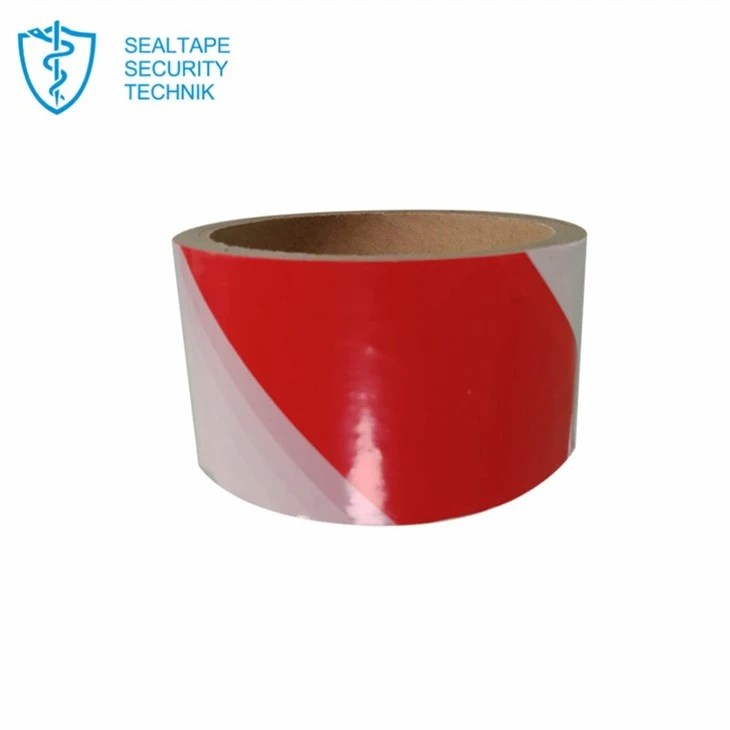
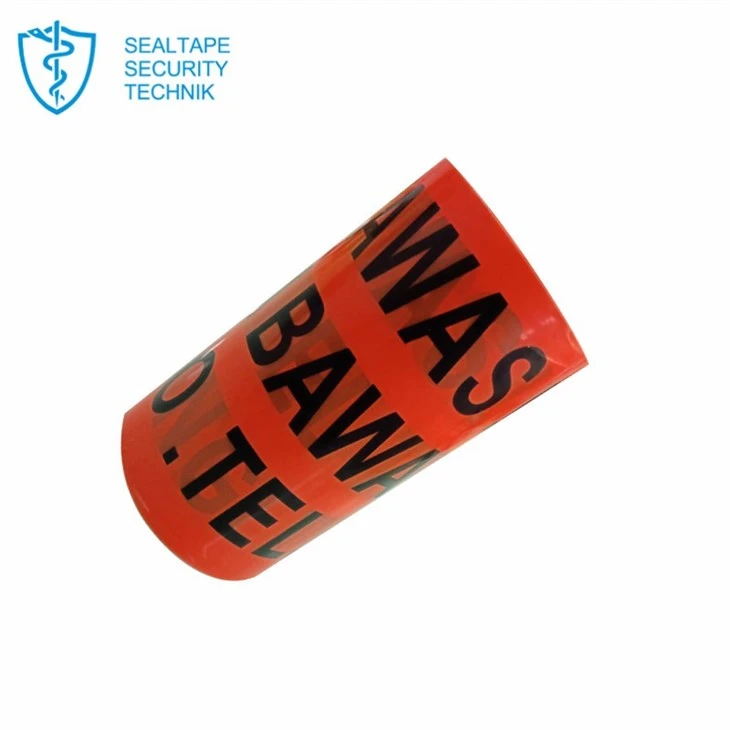
- Heavy - Duty Adhesive: Look for tapes with a strong, heavy - duty adhesive that is specifically formulated for outdoor use. These adhesives are designed to withstand high winds, temperature fluctuations, and moisture. For example, our PVC Roll Warning Safety Barricade Caution Tape features a high - performance adhesive that provides excellent adhesion on various surfaces.
- Reinforced Construction: Tapes with a reinforced backing or mesh can provide additional strength and stability, making them more resistant to wind forces. Reinforced tapes are less likely to tear or stretch under high - wind conditions, ensuring that the tape remains intact and firmly attached.
- UV Resistance: Exposure to sunlight can cause the tape to degrade over time, reducing its adhesion. Choose tapes with UV - resistant properties to prevent fading, cracking, and loss of adhesion due to sun exposure.
Surface Preparation
Proper surface preparation is essential for ensuring good adhesion of security caution tape. Before applying the tape, follow these steps to prepare the surface:
- Clean the Surface: Remove any dirt, dust, oil, or debris from the surface using a mild detergent and water. Rinse the surface thoroughly and allow it to dry completely. A clean surface provides a better bond for the adhesive.
- Smooth the Surface: If the surface is rough or uneven, sand it down to create a smooth and flat surface. This will ensure that the tape makes full contact with the surface, maximizing adhesion.
- Prime the Surface: In some cases, using a primer can improve the adhesion of the tape. Primers help to create a uniform surface and enhance the bond between the adhesive and the substrate. However, make sure to choose a primer that is compatible with the tape's adhesive.
Installation Techniques
The way you install the security caution tape can also have a significant impact on its adhesion in high - wind areas. Follow these installation techniques to ensure a secure bond:
- Apply the Tape in the Right Conditions: Avoid installing the tape in extreme weather conditions, such as high winds, heavy rain, or extreme temperatures. The ideal temperature for tape installation is between 50°F and 90°F (10°C and 32°C).
- Use a Roller: After applying the tape, use a roller to firmly press it onto the surface. This helps to eliminate air bubbles and ensures full contact between the tape and the surface. Start from the center of the tape and roll towards the edges to ensure even pressure.
- Overlap the Tape: When installing multiple strips of tape, overlap them by at least 1 - 2 inches (2.5 - 5 cm). This provides additional strength and prevents the wind from getting under the tape and lifting it.
- Seal the Edges: To prevent the wind from getting under the tape and causing it to peel, seal the edges of the tape with a suitable sealant. This can help to create a watertight and wind - resistant barrier.
Maintenance and Inspection
Regular maintenance and inspection are important to ensure that the security caution tape remains firmly attached in high - wind areas. Here are some tips for maintaining and inspecting your tape:
- Check for Damage: Periodically inspect the tape for signs of damage, such as tears, cracks, or peeling. If you notice any damage, replace the tape immediately to prevent further issues.
- Clean the Tape: Over time, dirt and debris can accumulate on the tape, which can affect its adhesion. Clean the tape regularly with a mild detergent and water to remove any contaminants.
- Re - apply the Tape if Necessary: If the tape starts to lift or peel, re - apply it using the same installation techniques. Make sure to clean and prepare the surface before re - applying the tape.
Additional Considerations
In addition to the above strategies, there are some other factors to consider when ensuring the adhesion of security caution tape in high - wind areas:
- Location: Avoid installing the tape in areas where it will be directly exposed to strong winds, such as on the top of a building or in an open field. Instead, choose sheltered locations or use additional support structures to protect the tape.
- Tape Design: Some tape designs, such as those with a serrated edge or a perforated pattern, can reduce wind resistance and improve adhesion. These designs allow the wind to pass through the tape, reducing the pressure on the surface.
At our company, we are committed to providing high - quality security caution tape that meets the needs of our customers in high - wind areas. Our Logo Design Fragile Warning Security Caution Tape and Red And White Construction Security Caution Tape are just a few examples of our products that are designed to provide excellent adhesion and durability.
If you are looking for a reliable security caution tape supplier for your high - wind area projects, we would be happy to discuss your specific requirements. Our team of experts can provide you with personalized advice and solutions to ensure that your security caution tape stays firmly in place. Contact us today to start the procurement discussion and find the best tape for your needs.
References
- ASTM International. (20XX). Standard Test Methods for Pressure - Sensitive Tapes.
- 3M Adhesive Technology Guide. (20XX). Understanding Adhesion and Tape Performance.